Accidents on the road are an unfortunate reality and can leave your vehicle needing significant repairs. Collision repair involves a range of services aimed at restoring damaged vehicles to their pre-accident condition. Whether it's a small dent or major structural damage, understanding the intricacies of collision repair is essential for every car owner. The quality of repairs can greatly influence your vehicle's performance and safety.
If you’re searching for professional assistance, an auto body repair shop with a solid reputation can provide the repair services necessary to restore your car. For specifics on collision repair services in Houston, to find specialized solutions tailored for your vehicle's needs learn more.
Steps to Follow for Effective Collision Repair
- Assess the Damage: Begin by thoroughly examining the vehicle to identify all areas of impact. Documenting visible damage can help with insurance claims.
- Gather Estimates: Reach out to several auto body shops to get repair estimates. Make sure to provide the same information to each shop for accurate comparisons.
- Check Reviews and Credentials: Research the selected collision repair shops by reading reviews and checking for necessary certifications and licenses.
- Inquire About Warranties: Ask about any warranties provided for parts and labor. A good shop should stand by its work with confidence.
- Authorize Repairs: After choosing a shop, authorize the work to begin. Ensure you have a clear understanding of the repair timeline and costs involved.
- Inspect Before Payment: Once your vehicle is ready, inspect the repairs thoroughly to ensure they meet your expectations before making the final payment.
Delving into Collision Repair Fundamentals
Collision repair is an exhaustive process that typically involves several stages, adjusting based on the severity of the damage incurred. When a vehicle is in an accident, various elements may be compromised such as the body structure, the paint finish, and mechanical systems. The principal aim of collision repair is to restore the vehicle to its original factory condition.
The first step taken by the auto body shop is a thorough evaluation of the vehicle to detect all damaged areas. This inspection is crucial as it includes assessing hidden damages that may not be easily noticeable. Upon completing the assessment, a detailed repair estimate will be provided, highlighting what repairs are necessary along with their associated costs. Services generally offered include frame straightening, panel replacement, painting, and refinishing. Each of these steps is critical to ensuring that the vehicle not only looks immaculate but also retains its structural soundness, ensuring safety on the road.
Popular Techniques in Collision Repair
The techniques used in collision repair can vary widely, depending on the type of damage encountered. For minor scratches and dents, methods such as paintless dent repair may be applied, which avoids the need for repainting. This non-invasive technique helps maintain the original paint on the vehicle. In instances of more serious damage, conventional repair techniques often include the extraction of damaged components and their replacement with either new or refurbished parts. This process guarantees that the vehicle regains a condition that closely mirrors its original factory state.
After the repairs are undertaken, processes such as sanding and repainting are performed to create a perfectly smooth finish. Employing modern tools and technology is crucial throughout this process, especially in the realm of auto body collision repair. The use of laser precision measurements and computerized paint matching plays a significant role in enhancing overall quality and precision, ultimately resulting in a superior outcome.
Selecting a Collision Repair Shop: What to Consider
Choosing the right collision repair shop can be a daunting task, but several key factors can guide your decision-making process. Start by researching certified auto body shops in your area, as certifications indicate adherence to industry standards. Look for customer reviews and testimonials; these can provide insights into the quality of service and the experiences of others.
Additionally, consider the warranties offered by the repair shop. A reputable collision repair facility will stand behind their work and provide warranties on both parts and labor. This can offer peace of mind knowing that if an issue arises after repairs, you have recourse. It’s also advisable to ask about the types of materials used during repairs, as quality components can have a significant impact on the longevity and safety of the repairs.
The Cost of Collision Repair: What to Expect
After experiencing an accident, grasping the financial implications of collision repairs is key to managing your expenses. The costs can significantly differ depending on various elements, including the damage’s extent and the repair methods required. For simple cosmetic fixes, the price tag may fall anywhere between a few hundred to a thousand dollars. On the other hand, severe damage, especially affecting structural elements, can result in costs reaching several thousand dollars.
To get a clear picture of the expenses involved, securing quotes from different auto body repair facilities is essential. This not only helps you compare prices but also gives insights into the specific services offered. Opting for the least expensive option might not always serve your best interests, as it can potentially compromise the quality of the repair work. It’s advisable to select shops that emphasize customer service and provide warranties rather than just focusing on cost.
For a deeper understanding, check out resources like the automobile repair segment on Wikipedia, which presents thorough details regarding diverse vehicle repair types.
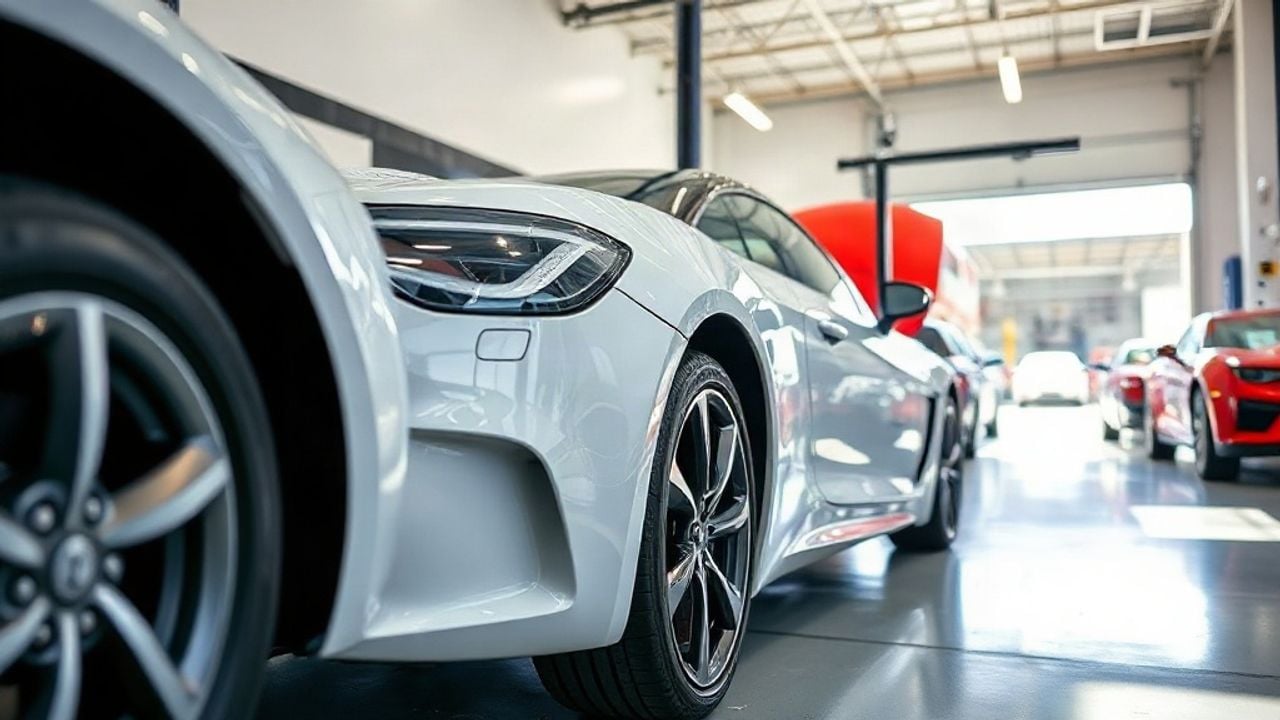 auto body shopcollision repair
Frequently asked questions
What is collision repair?
Collision repair involves the various activities required to restore a vehicle after it has suffered damage due to an accident. This restoration process can encompass repairs to the vehicle's body, frame, and mechanical systems, in addition to repainting and detailing the car to bring it back to its original condition.
How do I choose a collision repair provider?
Choosing a collision repair shop requires you to look at various factors, including their certifications, customer testimonials, warranty offerings, and quotes from different repair centers. This comparison helps ensure you select a reputable provider that delivers high-quality service.
How much does collision repair cost?
The expenses associated with collision repair can vary widely depending on how severe the damage is. Minor repairs may only set you back a few hundred dollars, whereas more significant damage can lead to repair costs that exceed thousands. Obtaining quotes from various repair shops is a good way to understand the potential costs involved.
What are common types of collision repairs?
Typical types of collision repairs include frame straightening, panel installation, paintless dent removal, scratch repairs, and complete vehicle refinishing. The repair method chosen generally depends on the extent of the damage incurred during the collision.
Do all collision repair shops offer warranties?
Not every collision repair facility offers warranties, making it essential to inquire before starting any repair work. Reputable collision repair professionals generally provide warranties that cover both the parts and labor involved in the repairs.
Collision repair is a vital service that ensures the safety and aesthetic appeal of your vehicle. Understanding the repair process, costs involved, and choosing the right provider can enhance the recovery experience after an accident. Prioritize quality to ensure your vehicle remains safe and sound on the road.
With proper attention and care during the repair process, your vehicle can be restored effectively, giving you peace of mind as you get back to driving it. Make informed choices and consult with reputable auto body shops for the best results.